
We make decisions throughout the day, often without giving them much thought. Sometimes it’s about how we respond to someone who has upset us, whether we admit a mistake, or how we handle a difficult situation. Although these choices may seem small, they can affect our relationships and the way we treat others.
Reading faith-based books can give us a different perspective on these everyday situations. Through biblical teachings and personal experiences, Christian authors encourage us to think more carefully about our actions. At Brother Jon, readers can explore Christian writings that discuss faith and its place in daily life. But how can the lessons we read about help us make better decisions?
The Connection Between What We Read and How We Act
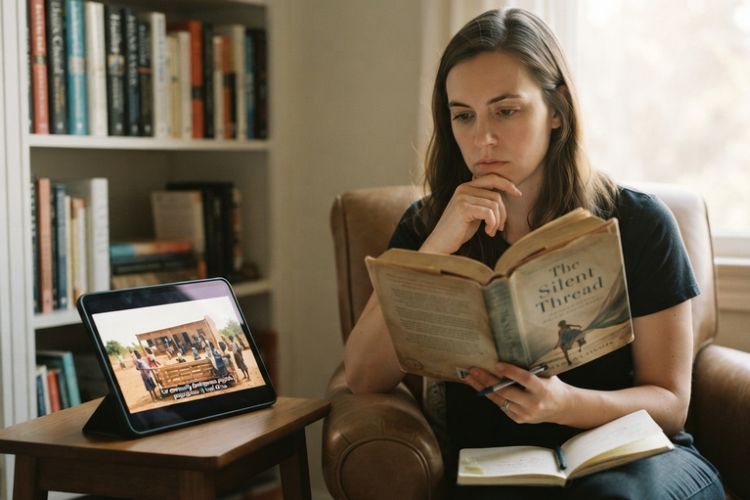
Sometimes, a few lines from a book can make us think about something we’ve said or done. We might read about forgiveness and remember someone we’re still upset with, or come across a discussion about honesty that makes us question a decision we made recently.
Nobody enjoys being told they’ve done something wrong, especially when they’ve worked hard on a task. But after reading about humility, a person may begin to understand that accepting a mistake isn’t something to be ashamed of. Instead of making excuses the next time they’re corrected, they might listen and try to improve. Faith-based books can help readers think about these situations before they face them again.
Romans 12:2 teaches Christians about renewing their minds rather than following the ways of the world. This is also an important part of faith and personal growth. As we learn more about God’s teachings, we can begin to notice habits or attitudes that need attention and make an effort to change them.
Learning to Respond Rather Than React
A conversation can take an unpleasant turn when someone says something we weren’t expecting. Perhaps a family member criticizes a decision we’ve made, or a coworker points out a mistake in our work. We may feel hurt or annoyed and respond more harshly than we intended. Later, we might regret what we said.
The Bible teaches us to be careful about how we speak to others, particularly when we’re angry. James 1:19 reminds believers to be quick to listen, slow to speak, and slow to anger. Christian authors also discuss patience and forgiveness, helping readers understand why listening to someone can sometimes be better than immediately defending themselves.
We can put these Christian life lessons into practice when dealing with others. If someone says something that bothers us, we don’t have to respond angrily. We can listen to what they have to say and explain our side calmly. Even if we don’t agree, there’s no need to let the conversation turn into an argument.
Making Better Choices in Our Actions and Daily Habits
Staying Honest Even When It’s Difficult
There may be times when telling the truth feels uncomfortable, especially if we’ve made a mistake or failed to keep a promise. For example, if something goes wrong at work, we might feel tempted to hide it rather than admit what happened. However, being honest and taking responsibility can help us maintain the trust of others.
Many faith-based books talk about being honest with others and taking responsibility for our actions. Proverbs 11:3 reminds us that integrity helps guide our decisions. We can follow this teaching in simple ways, such as admitting when we’re wrong, doing what we’ve promised, and being fair to the people around us.
Paying More Attention to How We Spend Our Time
It’s easy to get caught up in daily activities without noticing how much time they take. We might spend hours on our phones, put off important work, or become so busy that we hardly spend time with our families. Looking at these habits can help us recognise where we need to make changes.
Reading Christian Living Books can encourage us to think about our priorities and how we manage our day. Ephesians 5:15–16 reminds believers to live wisely and make good use of their time. We can start by reading Scripture regularly, spending more time with loved ones, or completing tasks we’ve been avoiding.
Considering Other People Before Making a Decision
It’s easy to make decisions based on what is convenient for us. However, our choices can also affect family members, friends, colleagues, and people who depend on our support. Thinking about their needs can change how we approach certain situations.
Through stories and biblical reflections, faith-based books can encourage greater compassion and consideration for others. A reader might begin to recognize opportunities to help someone, offer encouragement, or become more patient with a person facing difficulties.
Philippians 2:3–4 teaches believers to consider the interests of others alongside their own. These Christian life lessons remind us that kindness is expressed through actions, whether that means helping an overwhelmed colleague or making time for a struggling friend.
Making Difficult Decisions and Putting Faith Into Practice
There are times when we don’t know what to do, even after thinking about a problem for days. We may have to make a decision about work, deal with money problems, or settle a disagreement with someone close to us. During such situations, Christian teachings can help us consider our options more carefully instead of rushing into a decision.
Seeking Wisdom When You’re Unsure What to Do
Sometimes, we spend days thinking about a problem and still can’t decide what to do. We may worry about making the wrong choice or what might happen afterward. During these times, faith-based guidance can remind us to turn to God in prayer, talk things through with someone we trust, and avoid making decisions in a hurry.
James 1:5 teaches that we can ask God for wisdom when we don’t know what to do. We can also read Christian Books About Faith alongside the Bible to learn how other Christians understand God’s teachings and deal with difficult choices in their own lives.
Using What You’ve Read in Everyday Situations
Reading about forgiveness is one thing, but forgiving someone who has hurt us can be much harder. Suppose you’ve been avoiding a friend after an argument. After reading a passage about forgiveness, you might decide to contact them, explain why you were upset, and hear their side of the story.
This is where faith and personal growth become part of everyday life. We won’t always handle situations perfectly, and sometimes we may fall back into old habits. What matters is recognising where we went wrong, learning from the experience, and trying to handle things differently the next time.
Keeping Scripture at the Center of Christian Reading
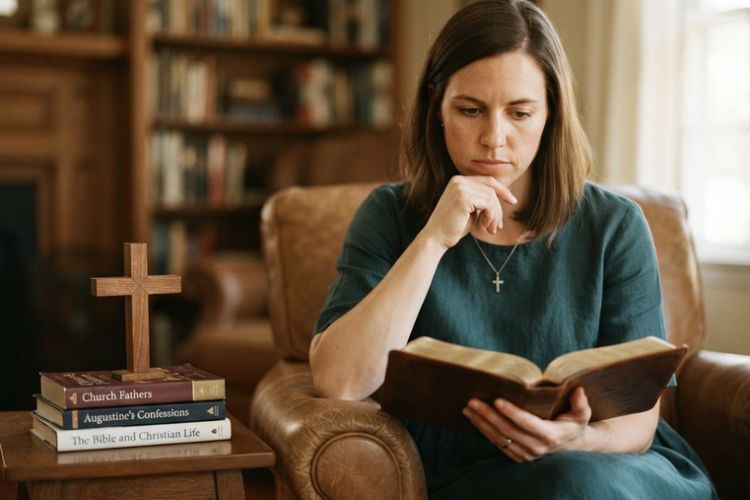
Christian writers often share their own experiences and explain how they understand different Bible passages. Their books can help us learn more about certain teachings, but it’s important to remember that an author’s explanation isn’t the same as Scripture itself.
When reading faith-based books, take some time to look up the Bible verses the author mentions. Read the surrounding passages as well, so you can understand what was being taught and whether the author’s explanation agrees with the biblical text.
You can also make Christian reading part of your regular Bible study. The purpose of faith-based guidance should be to help you understand God’s Word and use its teachings in your daily decisions, rather than simply accepting everything an author says.
Conclusion
The choices we make each day say a lot about how we treat others and handle our responsibilities. We may not always get things right, but we can learn from our mistakes and try to do better. Even a small effort to be more patient, honest, or understanding can make a difference.
Reading faith-based books can help us learn more about Christian teachings and how they relate to situations we face. What matters most is remembering those lessons when we need them and making an effort to follow them in our daily lives.
FAQs
Can reading Christian books change the way you make decisions?
Yes, reading Christian books can help you think more carefully about your choices. You may come across teachings about patience, honesty, or forgiveness that you can remember when dealing with similar situations in your own life.
What types of Christian books are helpful for everyday life?
You can start with daily devotionals, books that explain Bible teachings, or stories about other people’s experiences with faith. Some Christian books also talk about problems we face at home or work, how to get along with others, and what to do when life gets difficult.
How can you apply lessons from Christian books to daily life?
Choose something you’ve read that relates to a situation you’re facing. For example, if you’ve been struggling with anger, try to remember what you’ve learned about patience the next time you feel upset.
Should Christians read other books alongside the Bible?
Yes, there’s nothing wrong with reading Christian books alongside the Bible. They can help you understand certain teachings through the experiences of other believers. Just make sure you’re also reading Scripture for yourself and checking what the Bible says about the subjects being discussed.