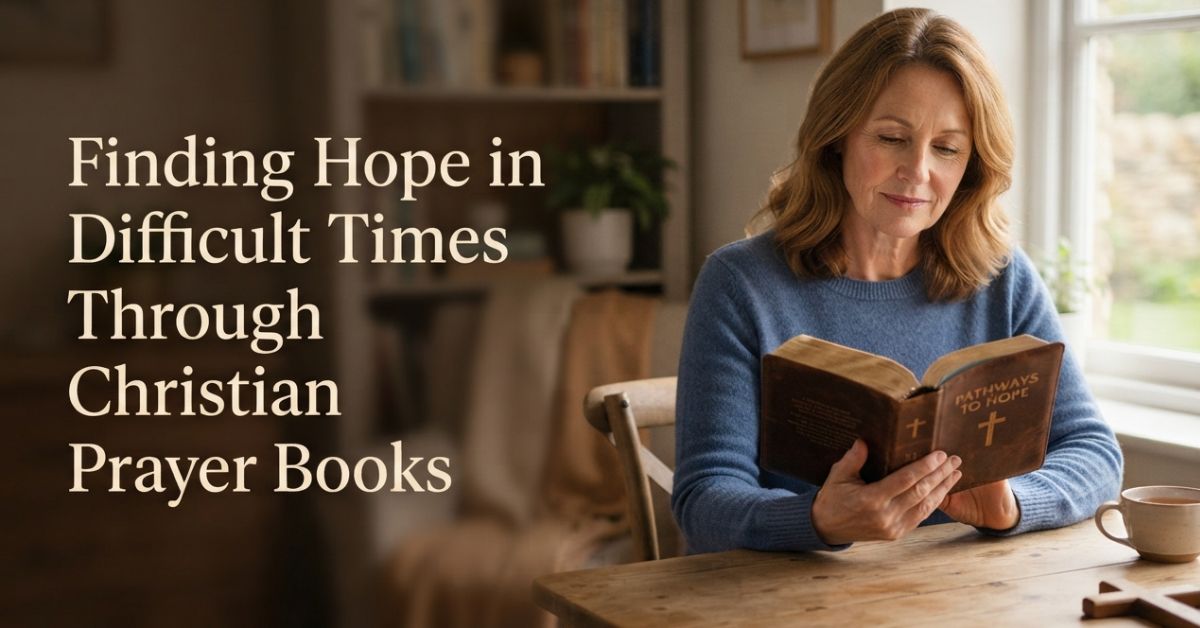
Life can change quickly. A loss, family problem, health concern, financial pressure, or long period of uncertainty can leave someone wondering what to say when they pray. Even people who normally pray with ease may find that the words simply do not come.
During times like these, Christian Prayer Books can help when you are not sure what to say to God. You may find a prayer that puts into words something you have been feeling but could not explain yourself. You can use those words as a starting point and then continue the prayer in your own way.
Why Prayer Can Feel Hard When Life Gets Heavy

Hard times can affect more than a person’s mood. Worry may make it difficult to concentrate, while grief can leave someone emotionally tired. A person may want to spend time with God but find that the same fears keep running through their mind.
The Bible does not suggest that believers have to hide these feelings. Many Psalms include questions, sadness, fear, and cries for help alongside trust in God. This honesty reminds readers that prayer does not have to sound polished before it can be sincere.
Some Books About Prayer reflect this same approach by helping readers bring difficult feelings into their time with God. A written prayer can provide a first sentence when starting on your own feels difficult. From there, the person can continue with whatever is truly on their heart.
How Christian Prayer Books Give You a Place to Begin
There are days when someone knows exactly what they want to pray about but cannot put it into words. Christian Prayer Books can provide structure during those moments. A short prayer about fear, patience, grief, or trust may express something the reader has been struggling to say.
The purpose is not to read every sentence without thinking about it. Instead, the words can help someone slow down and recognize what they are feeling. A prayer written by another believer may open the door to a much more personal conversation with God.
This is one reason people may turn to Prayer Books for Difficult Times during particularly stressful seasons. They can return to a prayer that speaks to their current struggle without feeling pressure to find new words every day.
Let Written Prayers Lead Into Your Own Words
You do not have to read a written prayer from beginning to end without stopping. Sometimes one line may connect with exactly what you are going through. Stay with that line for a moment and think about what it brings to mind.
You might be reading about trusting God and suddenly think about a problem that has been worrying you all week. Talk to God about that problem in your own way. Say what you are worried about, what you hope will happen, or where you need help. There is no need to make the words sound perfect.
Many Books About Faith and Prayer include Bible verses along with prayers. You can read a verse, think about how it relates to your situation, and then pray about what is on your mind. This can make it easier to speak openly instead of feeling like you need to follow a set prayer word for word.
Turn to Scripture When Your Circumstances Feel Uncertain
When life feels uncertain, it is easy for worry to take over your thoughts. Reading even a few verses can give you something else to focus on for a while. Psalm 46, for example, describes God as a refuge and source of strength. Psalm 121 speaks about looking to God for help, while Philippians 4:6–7 encourages believers to bring their worries to Him through prayer.
The Bible also speaks openly about going through hard times. Romans 5:3–5 talks about suffering, perseverance, character, and hope. It does not say that painful seasons suddenly become easy. It shows that hope can still have a place in your life while you are dealing with something difficult.
Many Christian Books About Prayer include Bible passages alongside written prayers. You can read a verse first, sit with it for a moment, and then talk to God about whatever is weighing on you. This makes the prayer feel connected to what you are actually facing rather than something you are simply reading from a page.
Bring What You Are Going Through Into Prayer
You do not have to wait until you feel better to pray. The Psalms include fear, sadness, frustration, and questions, showing that difficult feelings do not have to be kept out of prayer. You can tell God when you are worried, tired, disappointed, or unsure about what comes next.
Be Honest About What Hurts
Many Prayer and Faith Books include prayers for moments when finding the right words is hard. They can help you talk about what hurts without trying to make the situation sound better than it is. From there, you can add your own thoughts and ask God for the help you need.
Pray for What You Need Right Now
What you pray about may change with what you are facing. During a long wait, you may pray for patience. When fear is keeping you up at night, you may ask for peace. During grief, you may simply need words that allow you to sit with your loss.
Prayer Books for Difficult Times often cover different struggles, so you can turn to a prayer that fits what is happening that day. It does not need to be long. A few sincere words can be enough when that is all you have the energy to say.
What If You Pray and Nothing Seems to Change?
One of the hardest experiences is continuing to pray when the situation remains the same. An answer may take longer than expected, a problem may continue, or the outcome may be different from what someone hoped for. These moments can bring difficult questions about prayer and trust.
Prayer should not be treated as a formula that guarantees a particular result. It can also be a place to ask for wisdom about what to do next, strength for another day, or peace while an answer is still unclear. Christian Prayer Books can help readers explore these kinds of prayers instead of focusing only on immediate change.
This is where Christian faith can involve continuing to turn toward God even when the whole situation cannot yet be understood. Hope does not require a person to pretend that everything is fine. It can exist alongside waiting, uncertainty, and unanswered questions.
Build a Small Prayer Routine During Difficult Days
A prayer routine does not have to take a large part of the day. Choose a quiet time, read a short passage of Scripture, and then read one prayer slowly. Pause afterward and add a few sentences about what is happening in your own life.
Books About Prayer can make this routine easier because the reader does not have to decide where to begin each day. The important part is consistency that fits real life, not following a perfect schedule.
Choose a Prayer Book You Will Actually Use
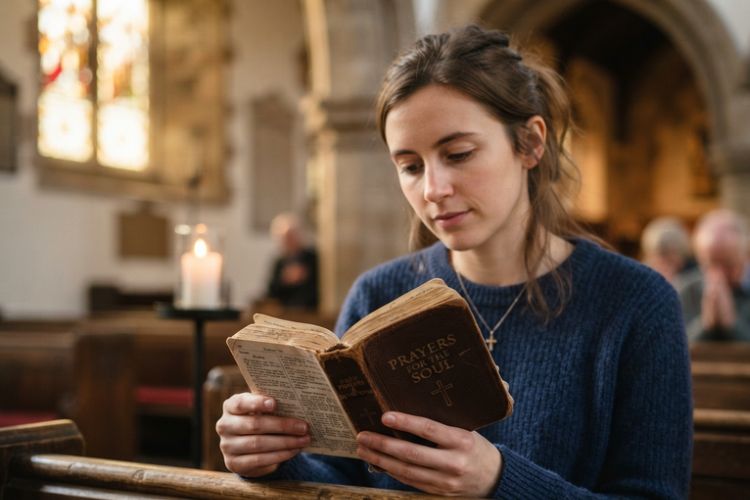
A prayer book should feel approachable enough to return to regularly. Look for prayers that are grounded in Scripture and written in language you can understand. It can also help to choose a book that speaks to the season you are currently experiencing.
Some readers prefer short daily prayers, while others want longer reflections that give them time to think. Books About Faith and Prayer may work well for people who want both devotional reading and guided prayer. The right format is one that supports meaningful time with God rather than making the routine feel complicated.
It is also worth reading a few pages before deciding whether a book suits you. Good Prayer and Faith Books should encourage reflection and personal prayer rather than making the reader feel that someone else’s words must be followed exactly.
Conclusion
Hard times can make it difficult to pray. You may know you want to talk to God but have no idea what to say, especially when you are worried, grieving, or waiting for something to change. Christian Prayer Books can help on those days by giving you a few words to start with and reminding you that you can come to God just as you are.
You may not get the answer you hoped for right away. Some problems take time, and some days may still feel difficult. Prayer gives you a chance to be honest with God about those days and ask for the help, patience, or peace you need. Through his writing, Brother Jon helps readers make prayer a regular part of their relationship with God, even when life does not go as planned.
FAQs
Can a prayer book help when I do not know what to say?
Yes. Christian Prayer Books can give you a starting point when stress, grief, or uncertainty makes it difficult to form your own prayer. You can read a short prayer and then add your own thoughts, concerns, or requests.
Is reading a written prayer the same as personal prayer?
A written prayer can still be meaningful when you understand and sincerely mean what you are saying. It can also lead into personal prayer as you pause, reflect, and respond in your own words.
Which Bible passages can I read when I need hope?
Psalm 46, Psalm 121, Romans 5:3–5, Romans 8:18–28, Philippians 4:6–7, and 1 Peter 5:7 are useful places to begin. Read slowly and consider turning one verse into a personal prayer.
Can I use a prayer book with my regular Bible reading?
Yes. You can read Scripture first and then use a related prayer to reflect on what you have read. This can help connect Bible reading with the concerns and decisions you are facing in everyday life.