

Faith is not limited to what happens during a church service. Prayer, reading Scripture, worship, and serving others are ways Christians can make their relationship with God part of ordinary life. These intentional activities are commonly known as spiritual disciplines.
They are not meant to create a strict religious schedule. Instead, they provide practical ways to seek God, understand biblical teachings, and develop a faith that influences everyday choices.
What Are Spiritual Disciplines?

Spiritual disciplines are intentional practices that help Christians spend time with God and become more attentive to His Word. Prayer, Bible study, fasting, worship, fellowship, and service are some familiar examples. Each practice has a different purpose, but all can contribute to a deeper spiritual life.
These practices are sometimes viewed as spiritual growth habits because they become meaningful through regular use. However, completing a routine is not the goal. Christian spiritual disciplines should lead a person toward God rather than become another list of religious tasks.
They can also play a role in spiritual formation by allowing biblical truth to shape thoughts, priorities, and actions. Resources about True Christian Living may offer further guidance on applying those principles outside devotional time.
What Does the Bible Say About Spiritual Disciplines?
The Bible does not present one official list under the term spiritual disciplines. Instead, Scripture shows believers praying, fasting, worshipping, studying God’s Word, gathering together, giving generously, and serving others. Jesus Himself regularly prayed and spent time away from crowds.
Paul also speaks about training for godliness in 1 Timothy 4:7. The idea of training helps explain why repeated Christian spiritual practices matter. They provide regular opportunities to learn, reflect, pray, and put biblical teachings into action.
These activities are not a way to earn salvation or prove that one Christian is more devoted than another. Spiritual disciplines for Christians are better understood as ways of making intentional room for God.
Common Spiritual Disciplines Christians Practice
Christian traditions do not always describe these disciplines in exactly the same way. However, the following practices have long been part of Christian life, with each serving a distinct purpose.
Prayer
Prayer creates space for an honest conversation with God. Gratitude, fears, mistakes, difficult decisions, and the needs of others can all be brought before Him without relying on formal or complicated language.
Bible Reading and Study
Christians who read the Bible regularly grow in their understanding of what God is teaching them and how it applies to their daily life. Bible study builds on that teaching, learning the background of Scripture, its deeper meaning, and how believers can live out its principles. Christian Books on Spiritual Growth can also be a useful insight into a variety of issues, but they are intended to complement Bible-based learning, not replace it.
Fasting
Fasting means going without food for a chosen period, though some Christian traditions also use the term for temporarily giving up other things. Removing something normally present in the day allows greater attention to be given to seeking God, repentance, or a particular concern.
Worship
Worship reaches beyond songs sung during a church service. Praise and thanksgiving are part of it, but so are choices that honor God. The way someone handles work, relationships, possessions, and responsibilities can also reflect a worshipful life.
Silence and Solitude
Constant noise can leave little opportunity to process thoughts or slow down. Time alone and away from distractions offers a quieter setting to consider what is happening internally and become more attentive to God’s presence.
Fellowship
Christian faith is not to be lived in isolation. Connection with other believers provides a space for people to share their thoughts, struggles and experiences and learn from each other. Supportive relationships can be a source of comfort during difficult times and a source of encouragement on the Christian journey. These relationships are often developed within the framework of church communities, Bible study groups, shared events, and important conversations.
Service and Generosity
A generous heart starts with being aware of the needs of those around us. Support can be practical help at times, spending time with someone feeling lonely, bringing a meal, giving a ride, or helping with everyday tasks. When you are sincere in your kindness, it is more than just an act of giving. It is a way of bringing care and hope to someone’s life.
How to Practice Spiritual Disciplines in Daily Life
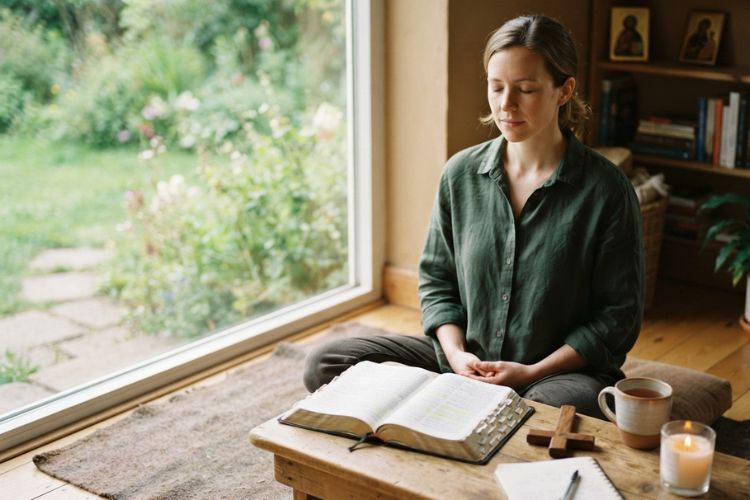
There is no need to begin every practice at once. Choose one or two that address an area where more attention is needed. Someone wanting to understand Scripture better could begin with regular Bible study, while another person may need to create more room for prayer.
Keep the routine realistic. Fifteen focused minutes can be more useful than planning an hour that rarely fits into the day. These spiritual growth habits should support a relationship with God rather than create pressure to complete another task.
Additional reading can help when exploring questions about calling and direction. Christian books about finding God’s purpose may offer useful perspectives, but outside resources should remain connected to Scripture. As one practice becomes familiar, other spiritual disciplines for Christians can be added gradually.
Conclusion
Growing closer to God is a lifelong process shaped by sincere devotion, personal reflection, and decisions that reflect biblical teachings. Through prayer, worship, studying Scripture, and showing kindness to others, faith can become a natural part of a believer’s daily life.
Brother Jon shares Christ-focused books and resources designed to encourage those who want to strengthen their relationship with God and gain a clearer understanding of their faith. Browse the available titles to discover guidance, inspiration, and meaningful lessons for your spiritual journey.
FAQs
What is the purpose of spiritual discipline?
At its core, spiritual discipline helps believers become more attentive to God. It encourages greater awareness of how biblical values relate to personal choices, attitudes, and relationships.
Are spiritual disciplines required in Christianity?
The Bible teaches and demonstrates many forms of devotion, including prayer, fasting, fellowship, and generosity. These actions are not a way to earn God’s acceptance. They are ways believers can express and nurture their relationship with Him.
What is the easiest spiritual discipline to start with?
Prayer and Bible reading are practical starting points because they can fit into almost any schedule. Beginning with a short, manageable routine can make the practice easier to continue.
Can you do spiritual disciplines in the home?
Yes. There are many ways to add spiritual practices into home life, including prayer, Bible study, worship, quiet reflection and acts of generosity. Connecting with other believers is also part of fellowship and corporate worship.
What is the difference between a spiritual habit and a spiritual discipline?
A habit is something repeated regularly, while a spiritual discipline is intentionally practiced for a spiritual purpose. Over time, a discipline may naturally become part of a person’s regular routine.